
- posted: Mar. 03, 2025
Rashes are a common skin concern that can cause discomfort, irritation, and uncertainty about their cause. While most rashes resolve on their own, others require treatment to alleviate symptoms or address an underlying condition. At Atlanta Center for Dermatological Diseases, Dr. Judith Silverstein provides expert dermatologic care for patients in Cumming, Alpharetta, Roswell, and Sandy Springs, GA, helping them identify and manage skin conditions effectively.
What is a Rash?
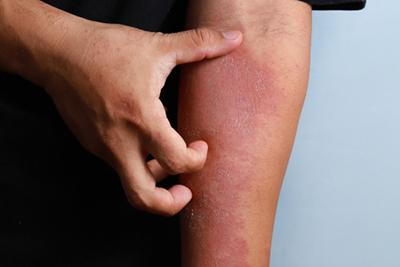
A rash is a noticeable change in the skin, often appearing as redness, swelling, itching, or irritation. It can develop as small bumps, blisters, or widespread dry patches. Since a rash is a symptom rather than a diagnosis, identifying its cause is key to proper treatment.
Common Causes of Rashes
Rashes can result from various triggers, including allergic reactions to foods, skincare products, or plants like poison ivy. Harsh soaps, chemicals, or excessive moisture can also irritate. Bacterial, viral, or fungal infections like ringworm or chickenpox may lead to rashes. Chronic skin conditions like eczema, psoriasis, and rosacea can cause recurring skin irritation. Other causes include insect bites, reactions to medications, and heat-related rashes.
How to Treat Rashes
Treatment depends on the rash’s cause and severity. Avoid exposure to prevent further irritation if an allergen or irritant is suspected. Washing the affected area with mild soap and lukewarm water keeps the skin clean and reduces inflammation. Over-the-counter treatments, such as hydrocortisone cream, antihistamines, or calamine lotion, can relieve itching and redness. Cool compresses soothe discomfort, while fragrance-free moisturizers help combat dryness. Avoiding scratching is essential to prevent infection and promote healing.
When to See a Doctor
Most rashes improve with home care, but some require medical attention. If a rash worsens, spreads rapidly, or is accompanied by severe pain, fever, or swelling, it’s important to seek professional evaluation. Persistent rashes that don’t respond to treatment or show signs of infection, such as pus, warmth, or red streaks, should also be assessed by a dermatologist.
Preventing Rashes
Taking proactive steps can help reduce the risk of rashes. For example, using fragrance-free skincare products, moisturizing skin, and avoiding known allergens can prevent irritation. Proper sun protection, wearing breathable clothing, and maintaining good hygiene also affect skin health.
Expert Dermatologic Care for Skin Health
Rashes are often manageable with proper care, but professional treatment may be necessary when symptoms persist. Dr. Judith Silverstein at Atlanta Center for Dermatological Diseases offers expert evaluations and treatment for various skin conditions, ensuring patients in Cumming, Alpharetta, Roswell, and Sandy Springs, GA, receive the care they need.
For an appointment, call:
- Sandy Springs, GA: (404) 252-4333
- Roswell, GA: (770) 751-1133
- Alpharetta, GA: (770) 664-5225
- Cumming, GA: (770) 844-1902
Schedule your visit today for expert dermatologic care.
- posted: Mar. 03, 2025
Rashes are a common skin concern that can cause discomfort, irritation, and uncertainty about their cause. While most rashes resolve on their own, others require treatment to alleviate symptoms or address an underlying condition. At Atlanta Center for Dermatological Diseases, Dr. Judith Silverstein provides expert dermatologic care for patients in Cumming, Alpharetta, Roswell, and Sandy Springs, GA, helping them identify and manage skin conditions effectively.
What is a Rash?
A rash is a noticeable change in the skin, often appearing as redness, swelling, itching, or irritation. It can develop as small bumps, blisters, or widespread dry patches. Since a rash is a symptom rather than a diagnosis, identifying its cause is key to proper treatment.
Common Causes of Rashes
Rashes can result from various triggers, including allergic reactions to foods, skincare products, or plants like poison ivy. Harsh soaps, chemicals, or excessive moisture can also irritate. Bacterial, viral, or fungal infections like ringworm or chickenpox may lead to rashes. Chronic skin conditions like eczema, psoriasis, and rosacea can cause recurring skin irritation. Other causes include insect bites, reactions to medications, and heat-related rashes.
How to Treat Rashes
Treatment depends on the rash’s cause and severity. Avoid exposure to prevent further irritation if an allergen or irritant is suspected. Washing the affected area with mild soap and lukewarm water keeps the skin clean and reduces inflammation. Over-the-counter treatments, such as hydrocortisone cream, antihistamines, or calamine lotion, can relieve itching and redness. Cool compresses soothe discomfort, while fragrance-free moisturizers help combat dryness. Avoiding scratching is essential to prevent infection and promote healing.
When to See a Doctor
Most rashes improve with home care, but some require medical attention. If a rash worsens, spreads rapidly, or is accompanied by severe pain, fever, or swelling, it’s important to seek professional evaluation. Persistent rashes that don’t respond to treatment or show signs of infection, such as pus, warmth, or red streaks, should also be assessed by a dermatologist.
Preventing Rashes
Taking proactive steps can help reduce the risk of rashes. For example, using fragrance-free skincare products, moisturizing skin, and avoiding known allergens can prevent irritation. Proper sun protection, wearing breathable clothing, and maintaining good hygiene also affect skin health.
Expert Dermatologic Care for Skin Health
Rashes are often manageable with proper care, but professional treatment may be necessary when symptoms persist. Dr. Judith Silverstein at Atlanta Center for Dermatological Diseases offers expert evaluations and treatment for various skin conditions, ensuring patients in Cumming, Alpharetta, Roswell, and Sandy Springs, GA, receive the care they need.
For an appointment, call:
- Sandy Springs, GA: (404) 252-4333
- Roswell, GA: (770) 751-1133
- Alpharetta, GA: (770) 664-5225
- Cumming, GA: (770) 844-1902
Schedule your visit today for expert dermatologic care.