
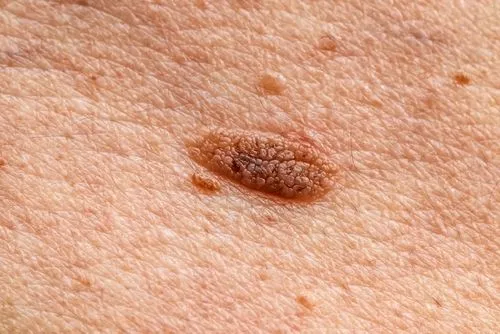
Skin cancer is one of the most common forms of cancer in the United States, and early detection plays a critical role in successful treatment. Changes in moles, persistent sores, unusual growths, or discoloration of the skin should never be ignored. At Atlanta Center for Dermatologic Diseases, patients in Roswell, Alpharetta, Cumming, and Sandy Springs, GA, receive comprehensive skin cancer evaluation and treatment focused on early diagnosis and long-term skin health.
Understanding Skin Cancer
Skin cancer develops when abnormal cells grow uncontrollably in the skin, often due to prolonged exposure to ultraviolet radiation from the sun or tanning beds. The most common types include basal cell carcinoma, squamous cell carcinoma, and melanoma. While many skin cancers are highly treatable when detected early, advanced cases may require more extensive care.
Routine skin examinations and self-checks are essential for identifying suspicious changes before they progress.
Risk Factors for Skin Cancer
Several factors can increase the risk of developing skin cancer. These include frequent sun exposure, history of sunburns, fair skin, light-colored eyes, and a family history of skin cancer. Use of tanning beds and weakened immune systems may also raise risk.
Living in sunny climates and spending significant time outdoors without proper protection can further increase vulnerability. Patients in the Metro Atlanta area are encouraged to practice sun safety and schedule regular screenings.
Accurate Diagnosis and Early Detection
Early diagnosis is the foundation of effective skin cancer treatment. During a skin exam, dermatologists carefully evaluate moles, lesions, and unusual markings. When needed, a biopsy may be performed to determine whether cancerous cells are present.
This thorough approach ensures that treatment plans are based on precise findings and individual patient needs.
Treatment Options for Skin Cancer
Skin cancer treatment depends on the type, size, location, and stage of the cancer. Common treatments include surgical removal, cryotherapy, topical medications, and specialized procedures designed to remove cancerous tissue while preserving healthy skin.
For more complex cases, additional therapies may be recommended. The goal is always to eliminate cancer while minimizing scarring and supporting optimal recovery.
Ongoing Monitoring and Prevention
After treatment, ongoing monitoring is essential to detect recurrence or new skin cancers. Regular follow-up visits allow dermatologists to track healing and address concerns early. Preventive strategies such as daily sunscreen use, protective clothing, and avoiding peak sun hours help reduce future risk.
Patient education plays an important role in maintaining long-term skin health.
Professional Skin Cancer Care in Metro Atlanta
Atlanta Center for Dermatologic Diseases provides expert skin cancer treatment for patients in Roswell, Alpharetta, Cumming, and Sandy Springs, GA. With a focus on personalized care and evidence-based treatment, patients receive comprehensive support throughout diagnosis and recovery.
If you are concerned about a suspicious skin lesion or need professional skin cancer screening, schedule an appointment at Atlanta Center for Dermatologic Diseases. Call the Roswell office at (770) 751-1133, Alpharetta at (770) 664-5225, Cumming at (770) 844-1902, or Sandy Springs at (404) 252-4333 to arrange your consultation.
Skin Cancer Treatment In Sandy Springs, Roswell, Alpharetta, and Cumming, GA
Whether you are someone who enjoyed lounging in the sun during their younger years or skin cancer runs in your family, there are many reasons why you should get an annual skin cancer screening. After all, skin cancer is the most common cancer in the US, according to the American Academy of Dermatology, with about one in five people developing skin cancer during their lifetime.
Skin cancer can take on many different forms such as:
- Melanoma
- Squamous cell carcinoma (SCC)
- Basal cell carcinoma (BCC)
- Actinic Keratosis (AK) (precancerous form)
While squamous and basal cell carcinomas are the most common forms of skin cancer, melanoma is the most dangerous type. This is why it is imperative that everyone schedules regular skin cancer exams. This ensures that if skin cancer is present, it is detected and treatment can begin as soon as possible. In addition to performing self-exams once a month, we recommend a visit to our office once a year so that one of our providers can perform a thorough exam.
Exams are non-invasive, painless and only take a few minutes to complete. The exam will encompass your entire body. We will thoroughly inspect every area of skin (even between your toes) to look for suspicious growths or moles.
Everyone should undergo a skin cancer exam even if you are not experiencing symptoms. It’s particularly important that you come in for routine exams if you have any risk factors for skin cancer:
- Excessive sun exposure
- Past sunburns
- The use of tanning beds
- Not wearing sunscreen regularly
- Fair skin
- Having many moles
- Exposure to radiation
- Family history of skin cancer
- A weakened immune system
If you have any of the above risk factors, it is important that you not only share them with your dermatologist during your next visit but that you also find out how often you should come in for routine screenings. Patients with risk factors may need to come in more often. If you notice any new or changing moles you should schedule an exam with us as soon as possible.