
- posted: May 05, 2025
Acne isn’t just a rite of passage for teenagers; it’s a skin condition that can persist well into adulthood. While teen and adult acne may share some similarities, they stem from different causes and often require distinct treatment approaches. At Atlanta Center for Dermatologic Diseases, with offices in Alpharetta, Cumming, Roswell, and Sandy Springs, GA, our dermatology team provides age-appropriate acne care tailored to your skin’s unique needs.
Understanding Teen Acne
The hormonal changes of puberty primarily bring on teen acne. These lead to increased oil production by the skin, especially in the T-zone (forehead, nose, and chin), where pores are more active. Combine this with dead skin cells and bacteria that create acne, and breakouts can become a common occurrence.
Fortunately, teenage skin is typically tougher and oil-proof. A majority of teens also heal with over-the-counter medications, such as salicylic acid or benzoyl peroxide products, along with normal face washing and an early education about a proper skincare routine.
Understanding Adult Acne
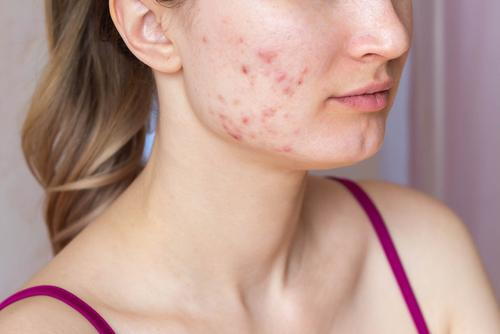
Adult acne often has a different story behind it. Hormonal changes related to menstrual cycles, pregnancy, or menopause are common triggers, especially in women. Factors such as diet, stress, and environmental changes can also play a role. Unlike teen acne, adult breakouts often appear on the chin, jawline, or cheeks, and the skin tends to be drier and more sensitive than it was in adolescence.
Adult acne treatment is more than just eradicating pimples; it's about maintaining the skin barrier and addressing issues like sensitivity, dryness, and premature aging. Treatments may involve topical retinoids, non-comedogenic moisturizers, or hormonal treatments, such as spironolactone or birth control, when appropriate.
Why Acne Treatment Isn’t One-Size-Fits-All
The differences between teen and adult acne are more than skin deep:
- Skin type: Teens typically have oilier skin, while adults often experience drier or combination skin.
- Treatment response: What works for a 16-year-old may not be suitable for someone in their 30s or 40s.
- Lifestyle and triggers: Teens may require guidance on establishing consistent skincare routines, while adults often benefit from addressing stress, sleep, and dietary habits.
Personalized Dermatology Care in the Greater Atlanta Area
At Atlanta Center for Dermatologic Diseases, our board-certified dermatologists offer personalized acne treatment plans tailored to patients of all ages. Whether you're a teenager going through hormonal changes or an adult dealing with persistent breakouts, we’ll help you find a routine that suits your skin and lifestyle.
Clear skin starts with a clear plan. Call the office nearest you to schedule an acne consultation:
- Alpharetta: (770) 664-5225
- Cumming: (770) 844-1902
- Roswell: (770) 751-1133
- Sandy Springs: (404) 252-4333
Let’s work together to create a skincare plan that delivers lasting results at any age.
- posted: May 05, 2025
Acne isn’t just a rite of passage for teenagers; it’s a skin condition that can persist well into adulthood. While teen and adult acne may share some similarities, they stem from different causes and often require distinct treatment approaches. At Atlanta Center for Dermatologic Diseases, with offices in Alpharetta, Cumming, Roswell, and Sandy Springs, GA, our dermatology team provides age-appropriate acne care tailored to your skin’s unique needs.
Understanding Teen Acne
The hormonal changes of puberty primarily bring on teen acne. These lead to increased oil production by the skin, especially in the T-zone (forehead, nose, and chin), where pores are more active. Combine this with dead skin cells and bacteria that create acne, and breakouts can become a common occurrence.
Fortunately, teenage skin is typically tougher and oil-proof. A majority of teens also heal with over-the-counter medications, such as salicylic acid or benzoyl peroxide products, along with normal face washing and an early education about a proper skincare routine.
Understanding Adult Acne
Adult acne often has a different story behind it. Hormonal changes related to menstrual cycles, pregnancy, or menopause are common triggers, especially in women. Factors such as diet, stress, and environmental changes can also play a role. Unlike teen acne, adult breakouts often appear on the chin, jawline, or cheeks, and the skin tends to be drier and more sensitive than it was in adolescence.
Adult acne treatment is more than just eradicating pimples; it's about maintaining the skin barrier and addressing issues like sensitivity, dryness, and premature aging. Treatments may involve topical retinoids, non-comedogenic moisturizers, or hormonal treatments, such as spironolactone or birth control, when appropriate.
Why Acne Treatment Isn’t One-Size-Fits-All
The differences between teen and adult acne are more than skin deep:
- Skin type: Teens typically have oilier skin, while adults often experience drier or combination skin.
- Treatment response: What works for a 16-year-old may not be suitable for someone in their 30s or 40s.
- Lifestyle and triggers: Teens may require guidance on establishing consistent skincare routines, while adults often benefit from addressing stress, sleep, and dietary habits.
Personalized Dermatology Care in the Greater Atlanta Area
At Atlanta Center for Dermatologic Diseases, our board-certified dermatologists offer personalized acne treatment plans tailored to patients of all ages. Whether you're a teenager going through hormonal changes or an adult dealing with persistent breakouts, we’ll help you find a routine that suits your skin and lifestyle.
Clear skin starts with a clear plan. Call the office nearest you to schedule an acne consultation:
- Alpharetta: (770) 664-5225
- Cumming: (770) 844-1902
- Roswell: (770) 751-1133
- Sandy Springs: (404) 252-4333
Let’s work together to create a skincare plan that delivers lasting results at any age.