
- posted: Jul. 18, 2025
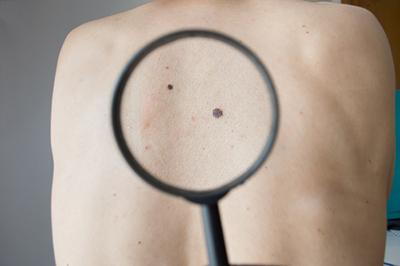
Most people have a few moles, and the majority of them are nothing to stress about. Still, there are times when a mole might need more attention—especially if something about it just doesn’t seem quite right. Being familiar with the warning signs can help someone decide when it’s time to have a skin check.
What Are Moles, Really?
Moles are small spots or patches that appear on the skin, usually brown or tan in color. They can show up early in life or later on, and most stay about the same over the years. While they’re typically harmless, a few can signal something more serious—especially if they start to change or feel different.
What Makes a Mole “Normal”?
A normal mole usually has a consistent look—round or oval, a single color, and smaller than a pencil eraser. It doesn’t change shape or color over time, and it doesn’t itch or bleed. When a mole looks the same year after year, it’s usually not a problem.
What to Watch For
There are certain changes that may be worth getting checked out. These might include:
- A mole that starts growing, especially after years of staying the same
- Uneven or jagged edges around the mole
- A mix of colors, including black, red, blue, or even white
- New tenderness, itching, or bleeding
- A new spot that appears after the age of 30
A Simple Guide: The ABCDEs
One tool that can help people spot unusual moles is something called the ABCDE rule. It’s a quick way to check if a mole might need a second look:
- Asymmetry: One side doesn’t match the other
- Border: The edges are rough or irregular
- Color: There are multiple shades, or the color looks unusual
- Diameter: It’s wider than about 6mm (roughly the size of a pencil eraser)
- Evolving: Any change in size, shape, or sensation
Why It’s Worth Catching Early
Changes in the skin might seem small, but they can sometimes be early signs of skin cancer. Melanoma, in particular, can spread quickly if not caught in time. When it’s found early, treatment is much more likely to be effective. That’s why even minor changes in a mole are worth talking to a dermatologist about.
Getting Checked at a Local Office
At Atlanta Center for Dermatologic Diseases, patients can visit any of the four office locations—in Sandy Springs, Roswell, Alpharetta, or Cumming—for a closer look. The team there sees a wide range of skin concerns and offers thoughtful, thorough evaluations when something feels off.
Keeping an Eye on Skin Health
No one needs to obsess over every mark on their skin, but being aware of changes can go a long way in catching problems early. Annual skin exams, along with being mindful of any new or shifting spots, can help people stay ahead of potential risks.
For more information or to book a skin check, contact the Atlanta Center for Dermatologic Diseases at (404) 252-4333. Four convenient locations are available: Sandy Springs, Roswell, Alpharetta, and Cumming, GA.
Let me know if you want it tailored to a specific location or provider, or need the tone adjusted further.
- posted: Jul. 18, 2025
Most people have a few moles, and the majority of them are nothing to stress about. Still, there are times when a mole might need more attention—especially if something about it just doesn’t seem quite right. Being familiar with the warning signs can help someone decide when it’s time to have a skin check.
What Are Moles, Really?
Moles are small spots or patches that appear on the skin, usually brown or tan in color. They can show up early in life or later on, and most stay about the same over the years. While they’re typically harmless, a few can signal something more serious—especially if they start to change or feel different.
What Makes a Mole “Normal”?
A normal mole usually has a consistent look—round or oval, a single color, and smaller than a pencil eraser. It doesn’t change shape or color over time, and it doesn’t itch or bleed. When a mole looks the same year after year, it’s usually not a problem.
What to Watch For
There are certain changes that may be worth getting checked out. These might include:
- A mole that starts growing, especially after years of staying the same
- Uneven or jagged edges around the mole
- A mix of colors, including black, red, blue, or even white
- New tenderness, itching, or bleeding
- A new spot that appears after the age of 30
A Simple Guide: The ABCDEs
One tool that can help people spot unusual moles is something called the ABCDE rule. It’s a quick way to check if a mole might need a second look:
- Asymmetry: One side doesn’t match the other
- Border: The edges are rough or irregular
- Color: There are multiple shades, or the color looks unusual
- Diameter: It’s wider than about 6mm (roughly the size of a pencil eraser)
- Evolving: Any change in size, shape, or sensation
Why It’s Worth Catching Early
Changes in the skin might seem small, but they can sometimes be early signs of skin cancer. Melanoma, in particular, can spread quickly if not caught in time. When it’s found early, treatment is much more likely to be effective. That’s why even minor changes in a mole are worth talking to a dermatologist about.
Getting Checked at a Local Office
At Atlanta Center for Dermatologic Diseases, patients can visit any of the four office locations—in Sandy Springs, Roswell, Alpharetta, or Cumming—for a closer look. The team there sees a wide range of skin concerns and offers thoughtful, thorough evaluations when something feels off.
Keeping an Eye on Skin Health
No one needs to obsess over every mark on their skin, but being aware of changes can go a long way in catching problems early. Annual skin exams, along with being mindful of any new or shifting spots, can help people stay ahead of potential risks.
For more information or to book a skin check, contact the Atlanta Center for Dermatologic Diseases at (404) 252-4333. Four convenient locations are available: Sandy Springs, Roswell, Alpharetta, and Cumming, GA.
Let me know if you want it tailored to a specific location or provider, or need the tone adjusted further.