
- posted: Oct. 16, 2025
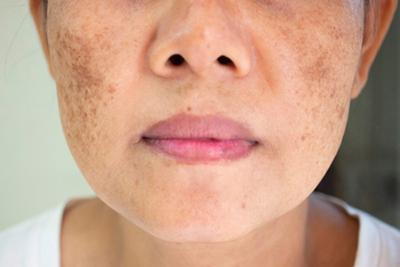
Age spots, also called sunspots or liver spots, are flat brown or tan areas that appear on the skin after years of sun exposure. Although harmless, they can make the complexion look uneven or aged. At Atlanta Center for Dermatologic Diseases, with offices in Roswell, Alpharetta, Cumming, and Sandy Springs, GA, our dermatology team emphasizes prevention as the most effective way to maintain smooth, youthful-looking skin.
Understanding What Causes Age Spots
Age spots form when the skin produces excess melanin—the pigment responsible for skin color—in response to ultraviolet (UV) radiation. Over time, repeated sun exposure causes melanin to concentrate in certain areas, leading to visible dark patches on the face, hands, shoulders, and arms. Tanning beds can also trigger age spots because they emit strong UV rays that damage skin cells and accelerate pigment changes.
The Role of Sun Protection
Consistent sun protection is the best way to prevent age spots. Apply a broad-spectrum sunscreen that protects against both UVA and UVB rays every day, even when it’s cloudy or cool. Choose an SPF of 30 or higher and reapply every two hours, or more frequently when swimming or sweating.
Protective clothing can also make a big difference. Wide-brimmed hats, long sleeves, and UV-blocking sunglasses help shield exposed areas from harmful rays. Staying in the shade between 10 a.m. and 4 p.m.—when sunlight is strongest—further reduces risk. For those who spend significant time outdoors, mineral-based sunscreens containing zinc oxide or titanium dioxide offer excellent physical protection by reflecting sunlight off the skin.
Supporting Skin Health Year-Round
Sun protection not only prevents age spots but also helps slow premature aging, wrinkles, and skin cancer. Adding antioxidants such as vitamin C and vitamin E to your skincare routine can neutralize free radicals caused by UV damage and promote stronger, more radiant skin. Professional treatments such as exfoliation or chemical peels can also help prevent dark spots from worsening and keep skin tone even.
Professional Skin Care and Monitoring
Even with good sun habits, new spots or changes in existing ones should always be checked by a dermatologist. At Atlanta Center for Dermatologic Diseases, our board-certified dermatologists use advanced diagnostic tools and treatments—including chemical peels, laser therapy, and prescription topicals—to fade pigmentation and rejuvenate the skin.
Take the First Step Toward Healthier Skin
Protecting your skin from UV damage is one of the most effective ways to preserve its clarity and youthfulness. For expert advice on preventing and treating age spots, contact Atlanta Center for Dermatologic Diseases in Roswell at (770) 751-1133, Alpharetta at (770) 664-5225, Cumming at (770) 844-1902, or Sandy Springs at (404) 252-4333 to schedule your consultation today.
- posted: Oct. 16, 2025
Age spots, also called sunspots or liver spots, are flat brown or tan areas that appear on the skin after years of sun exposure. Although harmless, they can make the complexion look uneven or aged. At Atlanta Center for Dermatologic Diseases, with offices in Roswell, Alpharetta, Cumming, and Sandy Springs, GA, our dermatology team emphasizes prevention as the most effective way to maintain smooth, youthful-looking skin.
Understanding What Causes Age Spots
Age spots form when the skin produces excess melanin—the pigment responsible for skin color—in response to ultraviolet (UV) radiation. Over time, repeated sun exposure causes melanin to concentrate in certain areas, leading to visible dark patches on the face, hands, shoulders, and arms. Tanning beds can also trigger age spots because they emit strong UV rays that damage skin cells and accelerate pigment changes.
The Role of Sun Protection
Consistent sun protection is the best way to prevent age spots. Apply a broad-spectrum sunscreen that protects against both UVA and UVB rays every day, even when it’s cloudy or cool. Choose an SPF of 30 or higher and reapply every two hours, or more frequently when swimming or sweating.
Protective clothing can also make a big difference. Wide-brimmed hats, long sleeves, and UV-blocking sunglasses help shield exposed areas from harmful rays. Staying in the shade between 10 a.m. and 4 p.m.—when sunlight is strongest—further reduces risk. For those who spend significant time outdoors, mineral-based sunscreens containing zinc oxide or titanium dioxide offer excellent physical protection by reflecting sunlight off the skin.
Supporting Skin Health Year-Round
Sun protection not only prevents age spots but also helps slow premature aging, wrinkles, and skin cancer. Adding antioxidants such as vitamin C and vitamin E to your skincare routine can neutralize free radicals caused by UV damage and promote stronger, more radiant skin. Professional treatments such as exfoliation or chemical peels can also help prevent dark spots from worsening and keep skin tone even.
Professional Skin Care and Monitoring
Even with good sun habits, new spots or changes in existing ones should always be checked by a dermatologist. At Atlanta Center for Dermatologic Diseases, our board-certified dermatologists use advanced diagnostic tools and treatments—including chemical peels, laser therapy, and prescription topicals—to fade pigmentation and rejuvenate the skin.
Take the First Step Toward Healthier Skin
Protecting your skin from UV damage is one of the most effective ways to preserve its clarity and youthfulness. For expert advice on preventing and treating age spots, contact Atlanta Center for Dermatologic Diseases in Roswell at (770) 751-1133, Alpharetta at (770) 664-5225, Cumming at (770) 844-1902, or Sandy Springs at (404) 252-4333 to schedule your consultation today.