
- posted: Jan. 23, 2026
Chronic skin rashes can be frustrating, uncomfortable, and difficult to manage without proper diagnosis. Two of the most common conditions responsible for long-lasting rashes are eczema and psoriasis. Although they can appear similar at first glance, they have different causes, patterns, and treatment approaches. At Atlanta Center for Dermatologic Diseases, serving Cumming, Alpharetta, Roswell, and Sandy Springs, GA, patients receive expert evaluation to accurately identify chronic skin conditions and develop personalized care plans.
Understanding Eczema
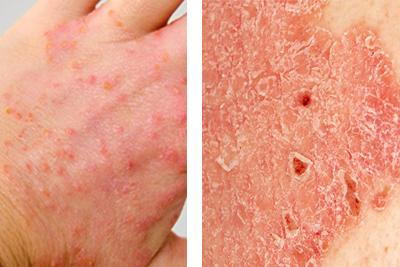
Eczema, also known as atopic dermatitis, is a condition linked to skin barrier dysfunction and inflammation. It often begins in childhood but can affect people at any age. Eczema commonly causes dry, itchy, inflamed patches of skin that may ooze or crust during flare-ups. Symptoms tend to worsen with triggers such as allergens, stress, harsh soaps, weather changes, or irritants.
Eczema frequently affects the face, neck, hands, and the bends of the elbows or knees. Intense itching is a hallmark feature and can lead to scratching that further damages the skin, increasing the risk of infection.
Understanding Psoriasis
Psoriasis is a chronic autoimmune condition that causes the skin to produce new cells too quickly. This rapid turnover leads to thickened, scaly patches that are often red with silvery-white buildup. Unlike eczema, psoriasis plaques are usually well-defined and may feel sore or painful rather than intensely itchy.
Psoriasis commonly appears on the scalp, elbows, knees, and lower back, though it can occur anywhere on the body. Some individuals with psoriasis also experience joint pain or stiffness, a condition known as psoriatic arthritis.
Key Differences Between Eczema and Psoriasis
While both conditions involve inflammation, their underlying mechanisms differ. Eczema is primarily related to immune sensitivity and a weakened skin barrier, while psoriasis is driven by an overactive immune response that accelerates skin cell growth. The appearance of the rash, level of itching, age of onset, and affected areas often help dermatology providers distinguish between the two.
Accurate diagnosis is essential, as treatments that work well for eczema may not be effective for psoriasis and vice versa. Professional evaluation ensures that therapy targets the correct condition.
Diagnosis and Treatment Options
Diagnosis begins with a thorough skin examination and review of medical history, symptom patterns, and family history. In some cases, additional testing may be recommended to confirm the diagnosis.
Treatment plans are tailored based on the condition, severity, and individual needs. Management may include prescription topical therapies, advanced anti-inflammatory treatments, lifestyle guidance, and long-term maintenance strategies to reduce flare-ups and improve skin comfort. Ongoing dermatologic care helps monitor progress and adjust treatment as needed.
Expert Dermatology Care in the Atlanta Area
If you are dealing with a persistent skin rash and are unsure whether it may be eczema or psoriasis, professional evaluation can provide clarity and relief. Atlanta Center for Dermatologic Diseases offers comprehensive diagnosis and treatment for chronic skin conditions at our offices in Cumming, Alpharetta, Roswell, and Sandy Springs, GA. To schedule an appointment, call Roswell at (770) 751-1133, Alpharetta at (770) 664-5225, Cumming at (770) 844-1902, or Sandy Springs at (404) 252-4333.
- posted: Jan. 23, 2026
Chronic skin rashes can be frustrating, uncomfortable, and difficult to manage without proper diagnosis. Two of the most common conditions responsible for long-lasting rashes are eczema and psoriasis. Although they can appear similar at first glance, they have different causes, patterns, and treatment approaches. At Atlanta Center for Dermatologic Diseases, serving Cumming, Alpharetta, Roswell, and Sandy Springs, GA, patients receive expert evaluation to accurately identify chronic skin conditions and develop personalized care plans.
Understanding Eczema
Eczema, also known as atopic dermatitis, is a condition linked to skin barrier dysfunction and inflammation. It often begins in childhood but can affect people at any age. Eczema commonly causes dry, itchy, inflamed patches of skin that may ooze or crust during flare-ups. Symptoms tend to worsen with triggers such as allergens, stress, harsh soaps, weather changes, or irritants.
Eczema frequently affects the face, neck, hands, and the bends of the elbows or knees. Intense itching is a hallmark feature and can lead to scratching that further damages the skin, increasing the risk of infection.
Understanding Psoriasis
Psoriasis is a chronic autoimmune condition that causes the skin to produce new cells too quickly. This rapid turnover leads to thickened, scaly patches that are often red with silvery-white buildup. Unlike eczema, psoriasis plaques are usually well-defined and may feel sore or painful rather than intensely itchy.
Psoriasis commonly appears on the scalp, elbows, knees, and lower back, though it can occur anywhere on the body. Some individuals with psoriasis also experience joint pain or stiffness, a condition known as psoriatic arthritis.
Key Differences Between Eczema and Psoriasis
While both conditions involve inflammation, their underlying mechanisms differ. Eczema is primarily related to immune sensitivity and a weakened skin barrier, while psoriasis is driven by an overactive immune response that accelerates skin cell growth. The appearance of the rash, level of itching, age of onset, and affected areas often help dermatology providers distinguish between the two.
Accurate diagnosis is essential, as treatments that work well for eczema may not be effective for psoriasis and vice versa. Professional evaluation ensures that therapy targets the correct condition.
Diagnosis and Treatment Options
Diagnosis begins with a thorough skin examination and review of medical history, symptom patterns, and family history. In some cases, additional testing may be recommended to confirm the diagnosis.
Treatment plans are tailored based on the condition, severity, and individual needs. Management may include prescription topical therapies, advanced anti-inflammatory treatments, lifestyle guidance, and long-term maintenance strategies to reduce flare-ups and improve skin comfort. Ongoing dermatologic care helps monitor progress and adjust treatment as needed.
Expert Dermatology Care in the Atlanta Area
If you are dealing with a persistent skin rash and are unsure whether it may be eczema or psoriasis, professional evaluation can provide clarity and relief. Atlanta Center for Dermatologic Diseases offers comprehensive diagnosis and treatment for chronic skin conditions at our offices in Cumming, Alpharetta, Roswell, and Sandy Springs, GA. To schedule an appointment, call Roswell at (770) 751-1133, Alpharetta at (770) 664-5225, Cumming at (770) 844-1902, or Sandy Springs at (404) 252-4333.