
- posted: Feb. 26, 2026
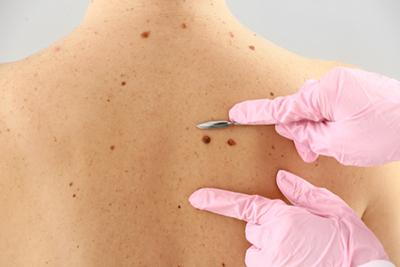
Monitoring your skin is an important part of maintaining overall health. Moles are common and often harmless, but changes in their appearance can sometimes signal more serious conditions, including skin cancer. Regular skin evaluations and timely mole removal when needed help protect long-term skin health. At Atlanta Center for Dermatologic Diseases, patients in Cumming, Alpharetta, Roswell, and Sandy Springs, GA receive thorough skin assessments and individualized care focused on early detection and prevention.
Understanding Moles and When to Be Concerned
Moles are growths made up of pigment-producing cells. They can appear anywhere on the body and vary in size, color, and shape. Most remain stable over time, but some may change due to sun exposure, aging, or underlying skin conditions.
Warning signs to watch for include changes in size, irregular borders, uneven color, itching, bleeding, or rapid growth. The ABCDE method is often used as a guide, looking at asymmetry, border irregularity, color variation, diameter, and evolution. Noticing these changes early allows for prompt evaluation and appropriate care.
The Role of Skin Cancer Screening
Skin cancer screenings are designed to identify suspicious lesions before they become advanced. During a full skin exam, dermatology providers carefully examine the skin from head to toe, noting any moles or spots that appear unusual. Early detection is key, as many forms of skin cancer are highly treatable when caught in the earliest stages.
Routine screenings are especially important for individuals with a history of sun exposure, frequent sunburns, fair skin, or a family history of skin cancer. Even without risk factors, regular skin checks help establish a baseline and track changes over time.
When Mole Removal Is Recommended
Mole removal may be recommended if a mole shows signs of change or appears suspicious during an exam. Removal may also be considered if a mole is frequently irritated by clothing or located in an area prone to friction.
The procedure is typically performed in the office using local anesthesia. Depending on the characteristics of the mole, it may be shaved or excised to ensure complete removal. In cases where there is concern about skin cancer, the removed tissue is sent for evaluation to confirm the diagnosis.
Preventive Skin Care and Monitoring
In addition to professional screenings, regular self-exams play an important role in skin health. Checking your skin monthly helps you become familiar with your moles and notice any new or changing spots. Protecting your skin from sun exposure by using sunscreen, wearing protective clothing, and avoiding peak sun hours also reduces the risk of skin damage.
Combining preventive habits with routine dermatologic care supports long-term skin health and early detection of potential concerns.
Skin Care Services in Sandy Springs, Roswell, Alpharetta, & Cumming, GA
Mole evaluation and skin cancer screening are essential steps in protecting your skin. Atlanta Center for Dermatologic Diseases provides comprehensive skin exams and mole removal services for patients in Cumming, Alpharetta, Roswell, and Sandy Springs, GA.
If you have concerns about a mole or would like to schedule a skin check, call Roswell at (770) 751-1133, Alpharetta at (770) 664-5225, Cumming at (770) 844-1902, or Sandy Springs at (404) 252-4333. Early evaluation supports better outcomes and peace of mind.
- posted: Feb. 26, 2026
Monitoring your skin is an important part of maintaining overall health. Moles are common and often harmless, but changes in their appearance can sometimes signal more serious conditions, including skin cancer. Regular skin evaluations and timely mole removal when needed help protect long-term skin health. At Atlanta Center for Dermatologic Diseases, patients in Cumming, Alpharetta, Roswell, and Sandy Springs, GA receive thorough skin assessments and individualized care focused on early detection and prevention.
Understanding Moles and When to Be Concerned
Moles are growths made up of pigment-producing cells. They can appear anywhere on the body and vary in size, color, and shape. Most remain stable over time, but some may change due to sun exposure, aging, or underlying skin conditions.
Warning signs to watch for include changes in size, irregular borders, uneven color, itching, bleeding, or rapid growth. The ABCDE method is often used as a guide, looking at asymmetry, border irregularity, color variation, diameter, and evolution. Noticing these changes early allows for prompt evaluation and appropriate care.
The Role of Skin Cancer Screening
Skin cancer screenings are designed to identify suspicious lesions before they become advanced. During a full skin exam, dermatology providers carefully examine the skin from head to toe, noting any moles or spots that appear unusual. Early detection is key, as many forms of skin cancer are highly treatable when caught in the earliest stages.
Routine screenings are especially important for individuals with a history of sun exposure, frequent sunburns, fair skin, or a family history of skin cancer. Even without risk factors, regular skin checks help establish a baseline and track changes over time.
When Mole Removal Is Recommended
Mole removal may be recommended if a mole shows signs of change or appears suspicious during an exam. Removal may also be considered if a mole is frequently irritated by clothing or located in an area prone to friction.
The procedure is typically performed in the office using local anesthesia. Depending on the characteristics of the mole, it may be shaved or excised to ensure complete removal. In cases where there is concern about skin cancer, the removed tissue is sent for evaluation to confirm the diagnosis.
Preventive Skin Care and Monitoring
In addition to professional screenings, regular self-exams play an important role in skin health. Checking your skin monthly helps you become familiar with your moles and notice any new or changing spots. Protecting your skin from sun exposure by using sunscreen, wearing protective clothing, and avoiding peak sun hours also reduces the risk of skin damage.
Combining preventive habits with routine dermatologic care supports long-term skin health and early detection of potential concerns.
Skin Care Services in Sandy Springs, Roswell, Alpharetta, & Cumming, GA
Mole evaluation and skin cancer screening are essential steps in protecting your skin. Atlanta Center for Dermatologic Diseases provides comprehensive skin exams and mole removal services for patients in Cumming, Alpharetta, Roswell, and Sandy Springs, GA.
If you have concerns about a mole or would like to schedule a skin check, call Roswell at (770) 751-1133, Alpharetta at (770) 664-5225, Cumming at (770) 844-1902, or Sandy Springs at (404) 252-4333. Early evaluation supports better outcomes and peace of mind.