
- posted: Mar. 20, 2026
Rosacea is a chronic skin condition that commonly affects the face, leading to redness, visible blood vessels, and occasional flare-ups of irritation. Because symptoms can resemble other skin conditions, an accurate diagnosis is important for effective treatment. At the Atlanta Center for Dermatologic Diseases, our board-certified dermatologists evaluate patients experiencing facial redness and other symptoms of rosacea at our offices in Sandy Springs, Alpharetta, Cumming, and Roswell, GA.
Early diagnosis allows patients to begin treatment that helps manage symptoms and support healthier skin.
Understanding Rosacea Symptoms
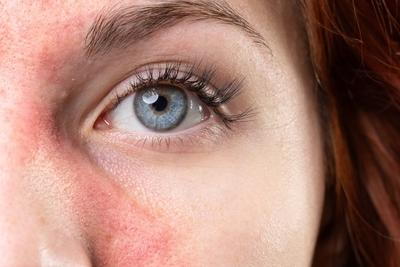
Rosacea most often appears as persistent redness across the cheeks, nose, forehead, or chin. Some individuals also develop small red bumps or visible blood vessels on the surface of the skin. These symptoms may appear gradually and can worsen during flare-ups.
Many patients notice that certain triggers, such as sun exposure, hot beverages, spicy foods, or emotional stress, may increase facial redness. Because rosacea symptoms can change over time, professional evaluation is important to identify the condition accurately.
Clinical Evaluation by a Dermatologist
Dermatologists diagnose rosacea primarily through a careful examination of the skin. During the visit, the dermatologist evaluates the pattern of redness, the presence of visible blood vessels, and any associated skin irritation.
Patients are often asked about their symptoms, how long the redness has been present, and whether certain factors seem to trigger flare-ups. This information helps determine whether rosacea is the likely cause of the skin changes.
Identifying Different Forms of Rosacea
Rosacea can appear in several forms, and identifying the specific type helps guide treatment decisions. Some patients primarily experience facial redness and visible blood vessels, while others may develop acne-like bumps or skin thickening.
In certain cases, rosacea can also affect the eyes, leading to irritation, dryness, or redness. Dermatologists consider these variations when determining the most appropriate treatment approach.
Why Accurate Diagnosis Matters
Because rosacea symptoms can resemble acne, eczema, or other inflammatory skin conditions, professional evaluation is important before beginning treatment. Proper diagnosis helps ensure that therapies are targeted to the underlying condition rather than temporary symptom relief.
Dermatologists can also help patients recognize personal triggers and develop strategies to reduce flare-ups over time.
Rosacea Care in North Georgia
Facial redness and persistent skin irritation should be evaluated by a dermatologist to determine the underlying cause. The Atlanta Center for Dermatologic Diseases provides expert diagnosis and treatment for rosacea in Sandy Springs, Alpharetta, Cumming, and Roswell, GA.
To schedule an appointment with our dermatology team and learn more about rosacea care, call (404) 252-4333 and receive professional guidance for healthier skin.
- posted: Mar. 20, 2026
Rosacea is a chronic skin condition that commonly affects the face, leading to redness, visible blood vessels, and occasional flare-ups of irritation. Because symptoms can resemble other skin conditions, an accurate diagnosis is important for effective treatment. At the Atlanta Center for Dermatologic Diseases, our board-certified dermatologists evaluate patients experiencing facial redness and other symptoms of rosacea at our offices in Sandy Springs, Alpharetta, Cumming, and Roswell, GA.
Early diagnosis allows patients to begin treatment that helps manage symptoms and support healthier skin.
Understanding Rosacea Symptoms
Rosacea most often appears as persistent redness across the cheeks, nose, forehead, or chin. Some individuals also develop small red bumps or visible blood vessels on the surface of the skin. These symptoms may appear gradually and can worsen during flare-ups.
Many patients notice that certain triggers, such as sun exposure, hot beverages, spicy foods, or emotional stress, may increase facial redness. Because rosacea symptoms can change over time, professional evaluation is important to identify the condition accurately.
Clinical Evaluation by a Dermatologist
Dermatologists diagnose rosacea primarily through a careful examination of the skin. During the visit, the dermatologist evaluates the pattern of redness, the presence of visible blood vessels, and any associated skin irritation.
Patients are often asked about their symptoms, how long the redness has been present, and whether certain factors seem to trigger flare-ups. This information helps determine whether rosacea is the likely cause of the skin changes.
Identifying Different Forms of Rosacea
Rosacea can appear in several forms, and identifying the specific type helps guide treatment decisions. Some patients primarily experience facial redness and visible blood vessels, while others may develop acne-like bumps or skin thickening.
In certain cases, rosacea can also affect the eyes, leading to irritation, dryness, or redness. Dermatologists consider these variations when determining the most appropriate treatment approach.
Why Accurate Diagnosis Matters
Because rosacea symptoms can resemble acne, eczema, or other inflammatory skin conditions, professional evaluation is important before beginning treatment. Proper diagnosis helps ensure that therapies are targeted to the underlying condition rather than temporary symptom relief.
Dermatologists can also help patients recognize personal triggers and develop strategies to reduce flare-ups over time.
Rosacea Care in North Georgia
Facial redness and persistent skin irritation should be evaluated by a dermatologist to determine the underlying cause. The Atlanta Center for Dermatologic Diseases provides expert diagnosis and treatment for rosacea in Sandy Springs, Alpharetta, Cumming, and Roswell, GA.
To schedule an appointment with our dermatology team and learn more about rosacea care, call (404) 252-4333 and receive professional guidance for healthier skin.