
Nail fungus is a common condition that causes toenails or fingernails to become thickened, discolored, brittle, or misshapen. While it may begin as a cosmetic concern, untreated nail fungus can worsen over time and become uncomfortable or difficult to manage. At Atlanta Center for Dermatologic Diseases, serving Roswell, Alpharetta, Cumming, and Sandy Springs, GA, dermatologists provide accurate diagnosis and personalized treatment plans to address nail fungus effectively.
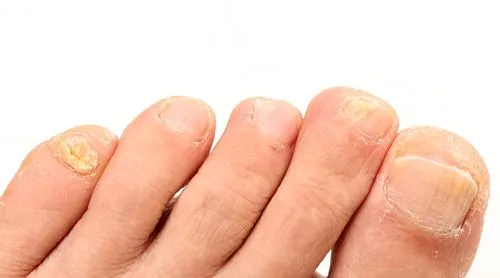
Understanding the cause and choosing the right treatment approach are key to improving nail health and preventing recurrence.
What Causes Nail Fungus
Nail fungus develops when fungal organisms infect the nail or the skin beneath it. This often occurs in warm, moist environments, such as locker rooms, pools, or inside tight footwear. Minor nail injuries, compromised circulation, or certain medical conditions can increase susceptibility.
Fungal infections may start as a small white or yellow spot and gradually spread deeper into the nail. Because several conditions can mimic nail fungus, a professional evaluation is important before starting treatment.
When to See a Dermatologist for Nail Fungus
Nail fungus that does not improve with over-the-counter products or continues to spread should be evaluated by a dermatologist. Nails that become painful, crumbly, or increasingly thick may require medical treatment to prevent further damage. Early care helps limit progression and improves the likelihood of successful treatment.
Dermatologic evaluation also helps rule out other nail disorders that require different management.
Nail Fungus Treatment Options
Treatment for nail fungus depends on the severity of the infection, the number of nails involved, and overall health factors. Options may include prescription topical medications, oral antifungal therapy, or a combination approach. In some cases, advanced treatments may be recommended to improve outcomes for stubborn infections.
Dermatologists tailor treatment plans to balance effectiveness with safety and provide guidance on how to support healthy nail regrowth during and after treatment.
Preventing Nail Fungus Recurrence
Preventing reinfection is an important part of long-term nail health. Keeping feet clean and dry, trimming nails properly, and avoiding shared nail tools can reduce risk. Wearing breathable footwear and protecting feet in communal areas also helps limit exposure.
Regular follow-up allows dermatologists to monitor progress and adjust care if needed.
Dermatologic Nail Fungus Care in Metro Atlanta
Atlanta Center for Dermatologic Diseases offers comprehensive care for nail fungus with a focus on accurate diagnosis and evidence-based treatment. Patients receive guidance tailored to their condition and lifestyle to support healthy, clearer nails.
To schedule an appointment for nail fungus evaluation and treatment, contact Atlanta Center for Dermatologic Diseases. Call the Roswell office at (770) 751-1133, Alpharetta at (770) 664-5225, Cumming at (770) 844-1902, or Sandy Springs at (404) 252-4333 to book your consultation.